

Donate, Sell, or Recycle? What to Do With Everything You’re NOT Tossing During Your Cleanout
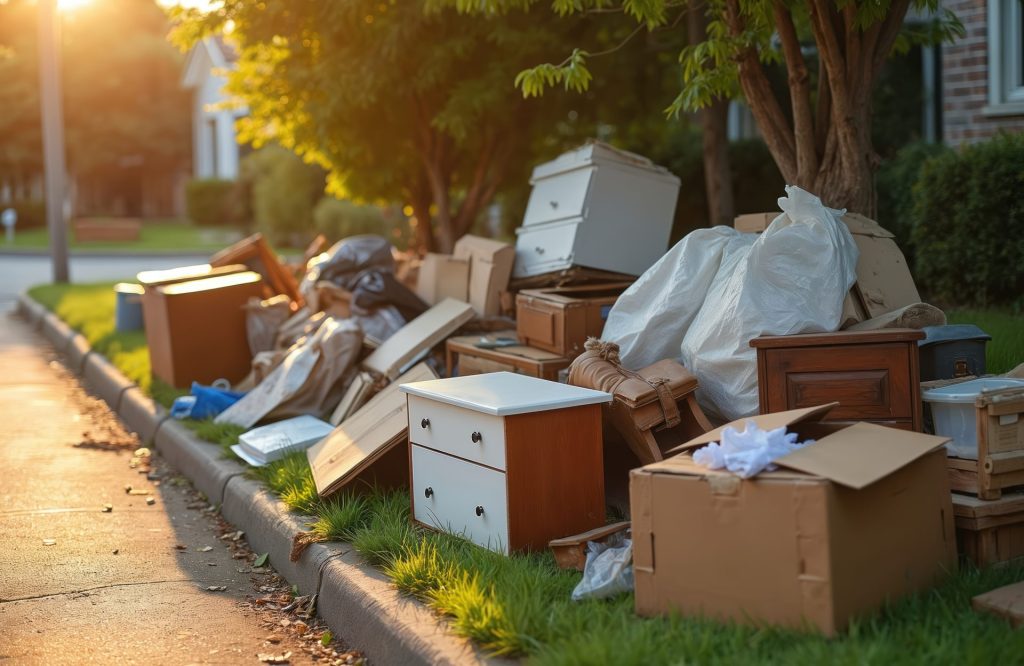
If you’ve read our fall garage cleanout checklist, you know the four-zone sorting method: keep, donate, recycle, toss. The toss zone is easy. That’s what the bin in your driveway is for. But the donate and recycle zones are where most people stall, standing over a working toaster and a bag of old towels wondering where any of it is supposed to go.
Fall is prime decluttering season. The kids are back in school, the weather is cool enough to work, and there’s a natural push to clear out summer gear and get organized before the holidays fill your calendar. Here’s the practical guide to clearing those middle zones fast, so your cleanout actually finishes on schedule and less of your stuff ends up as waste in the first place.
Why Bother Diverting Before You Toss?
Three reasons, and they’re all practical:
It saves you money. Bin space is something you pay for. Every donated bike and recycled scrap pile is capacity you keep for true waste, which can even mean a smaller, cheaper bin.
It’s faster than you think. Most donation and recycling drop-offs take one errand run, which fits neatly into the Day 2 morning slot of our weekend checklist.
It’s the responsible move. A working item in a landfill helps no one. And for everything that does go in your bin, our full-service recycling facility sorts the load to provincial standards anyway, so diversion happens at both ends.
What to Donate (and Where)
Good candidates: Working tools, bikes, sports equipment, furniture in decent shape, kitchenware, books, toys, and clothing that’s clean and wearable. The test is simple: would someone pay a few dollars for it at a garage sale? Then it’s donatable. Fall is a great time to move outgrown kids’ gear and off-season items, since charities and second-hand shoppers are actively stocking up ahead of the holidays.
Where it goes:
Local charities and thrift stores across Halton and Peel accept household goods, clothing, and furniture. Many offer donation receipts, and some larger organizations even offer furniture pickup for bigger items.
Building material reuse stores (like Habitat for Humanity’s ReStore locations in the GTA) accept usable cabinets, doors, hardware, light fixtures, and leftover building materials, which makes them a perfect stop during a renovation cleanout.
Community groups: Local Buy Nothing groups and neighbourhood Facebook groups move working items within days, often with porch pickup so you never leave home.
One rule: donate things because they’re useful, not because tossing feels bad. Charities pay disposal fees for unusable donations, so broken and heavily worn items belong in your bin, guilt-free.
What to Sell
If it’s genuinely valuable (power tools, quality furniture, exercise equipment, electronics that still work), a quick listing on an online marketplace can put money back toward your bin rental. Summer gear like patio sets, bikes, and camping equipment tends to sell best now, before buyers shift their attention to winter. Two tips to keep selling from stalling your cleanout:
Set a deadline. Anything unsold by the weekend gets donated. A cleanout that waits on buyers isn’t a cleanout, it’s a storage plan.
Price to move. The goal is a clear garage, not top dollar.
What to Recycle
Scrap metal: Old shelving, bed frames, BBQs (propane tank removed), and appliances are accepted at scrap metal recyclers, and some will pay you by weight.
Electronics: Ontario has dedicated e-waste drop-off locations for old TVs, computers, printers, and phones. Electronics should never go in a rental bin or regular garbage.
Cardboard and paper: Flatten it and use your municipal blue bin program, or bring large volumes to your local recycling depot.
Hazardous materials: This is the non-negotiable category. Paint, motor oil, fuels, car batteries, propane tanks, pesticides, and harsh chemicals must go to your municipality’s household hazardous waste depot. Fall cleanouts tend to surface a few of these, like the last of the mower fuel, a half-empty BBQ propane tank, and lawn and garden chemicals you’re putting away for the season. They’re not allowed in rental bins, and garages are exactly where they accumulate.
Tires: Not bin-eligible either. If you’re swapping to winter tires soon, most tire retailers accept old tires for recycling at no charge.
Then the Bin Handles the Rest
Once the donate, sell, and recycle piles are gone, what’s left is true waste: broken furniture, water-damaged boxes, worn-out carpet, scrap wood, and the mystery items nobody has claimed in a decade. That’s exactly what your rental bin is for.
For most post-diversion cleanouts, our 6-yard bin (about 3 pickup truck loads, with walk-in back doors) is the right size, and a 10-yard bin covers bigger household purges. Everything we haul is separated and sorted at our full-service recycling facility, so even your toss pile gets a responsible send-off.
Frequently Asked Questions
Should I donate before or after renting the bin?
Sort everything first, then run donations while the bin is on your driveway. Booking the bin first keeps the project moving and gives every “toss” decision a final destination.
What items do charities usually refuse?
Broken or heavily stained furniture, damaged electronics, expired car seats, and anything with safety recalls. When an item isn’t accepted anywhere, it belongs in the bin.
Can electronics or appliances go in a rental bin?
Electronics should go to e-waste recycling. For appliances, contact us first, since some require special handling. Scrap metal recyclers are often the best route.
Does donating actually reduce my rental cost?
It can. Diverting bulky usable items sometimes means a smaller bin covers your project, and it always preserves bin capacity for the waste you truly need to dispose of.
Clear the good stuff out, and let us handle the rest. Mr. Waste is family owned and operated, serving Milton, Oakville, Burlington, and Mississauga for more than 40 years. Book your bin online or call (905) 845-9240.